Fire Damage Restoration in Spartanburg, SC
Once the fire department releases your Spartanburg home, the clock starts on smoke and soot. Our fire damage restoration covers all of it. We board up openings, stop soot setting into walls and contents, pull out the water the hoses left, and rebuild the rooms the fire took.
Call now after a fire (864) 326-0217- Board-up, tarping and securing the property
- Smoke, soot and odor removal, including thermal fogging
- Fire-hose water extraction and drying
- Demolition and rebuild of the damaged rooms
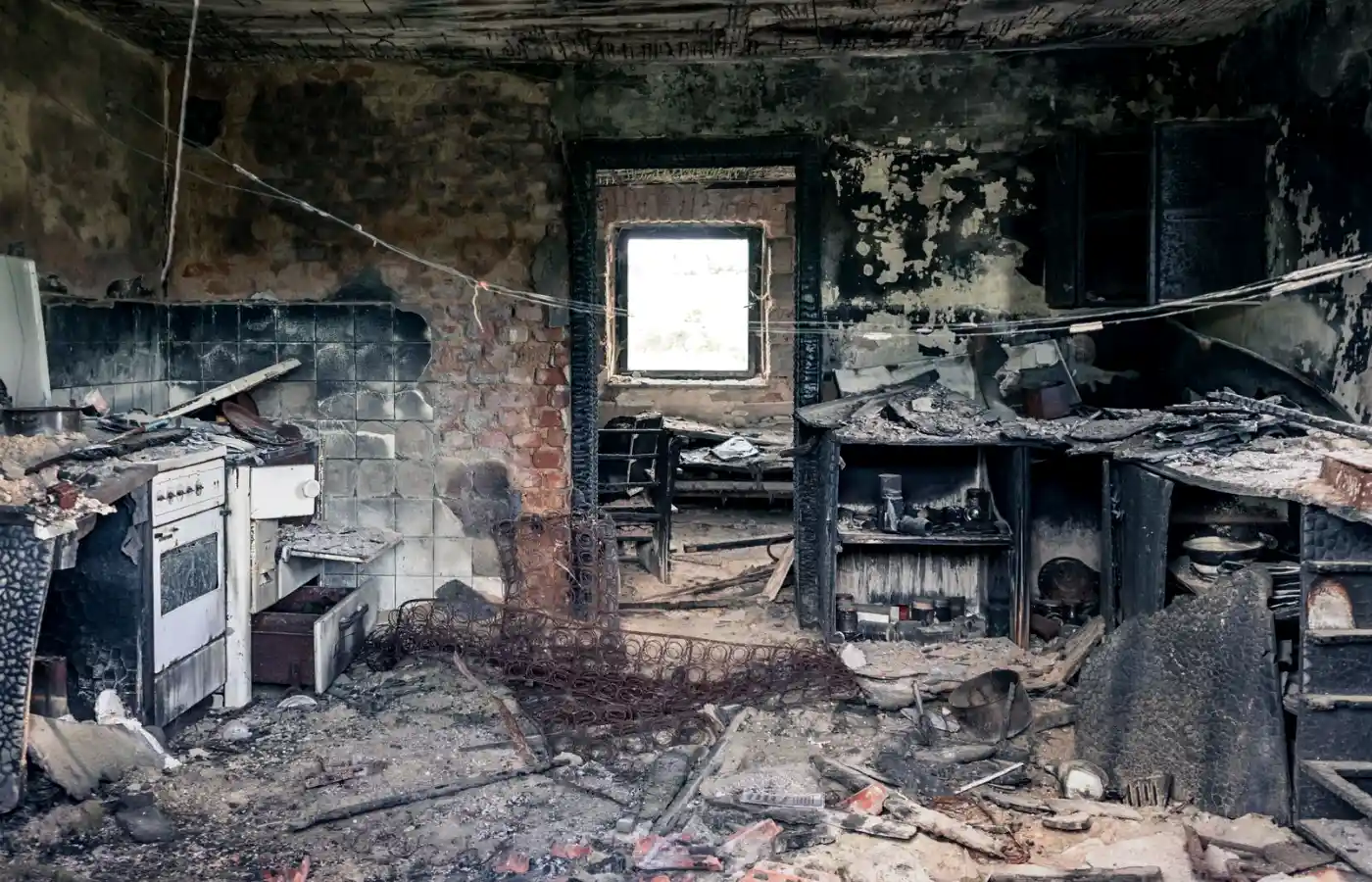
Do this first after a fire
- Don’t go back in until the fire department says the structure is safe.
- Leave utilities off until they have been checked; soot in a running HVAC spreads everywhere.
- Photograph every room before anything is moved or cleaned.
- Call your insurer, then call us for board-up and cleanup.
Is it an emergency?
Call now if
- Windows, doors or part of the roof are open to the weather
- Soot covers walls, ceilings or furniture in rooms away from the fire
- The fire department used water and floors or carpet are wet
- Electrical or HVAC systems were in the fire area
- The smell is making it hard to stay in the house
Can usually wait until morning
- A small stovetop flare-up with light soot on one wall and no water used
- Light smoke smell from a candle or a burnt pan
- A puff-back from a furnace that left a thin film in one room (still worth a call)
What fire damage restoration includes
Fire leaves three kinds of damage: what burned, what the smoke and soot touched, and what the water used to put it out soaked. We handle all three in one scope so you are not coordinating a board-up company, a cleaning company and a contractor while you are out of your home.
- Secure the property. Plywood over broken windows and doors, tarps on roof openings, and a walk-through to find hidden hot spots and structural risks.
- Remove the water. Fire-hose water goes deep into floors and walls. We extract it and set drying equipment on day one so mold does not follow the fire.
- Clean smoke and soot. Dry soot sponges on walls, HEPA vacuuming, degreasers for protein smoke from kitchen fires, and pack-out of contents that can be cleaned off site.
- Deodorize and rebuild. Thermal fogging or ozone treatment of the structure, sealing of charred framing, then drywall, insulation, flooring and paint.
Smoke and soot cleanup
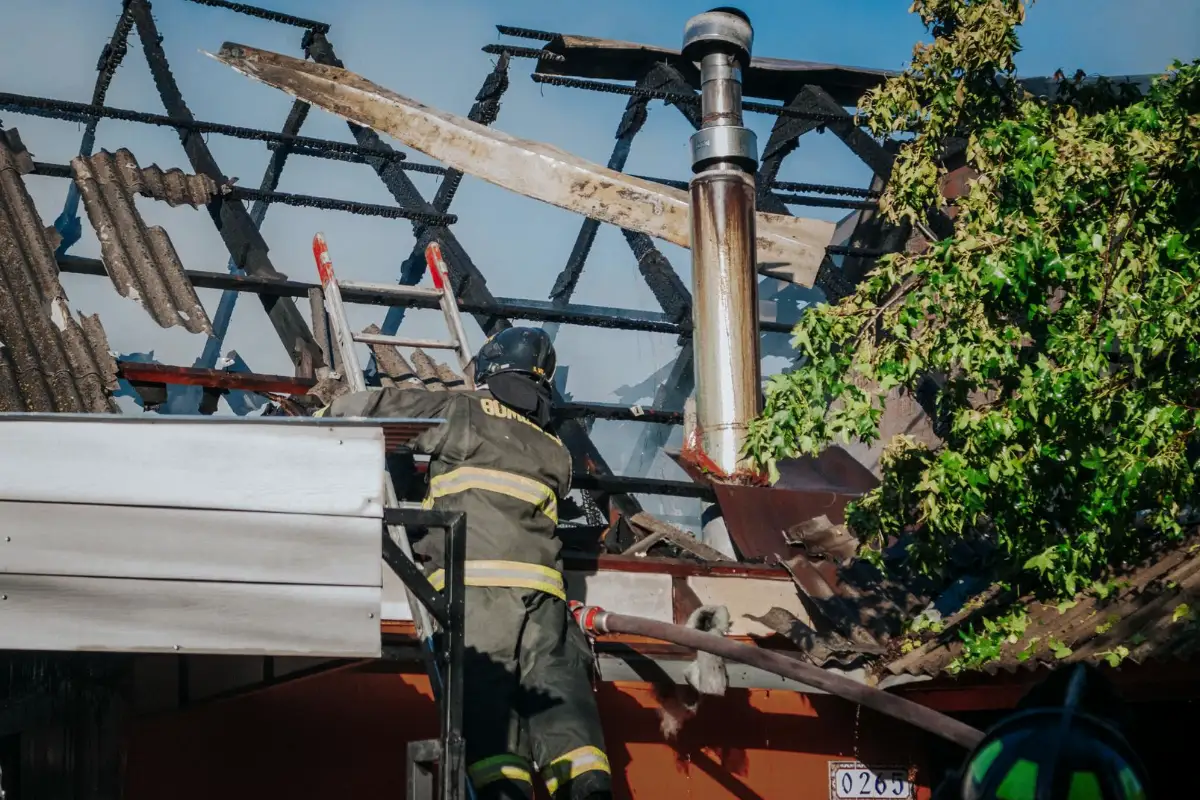
Soot is acidic. Within hours it starts to etch metal, discolor plastics and set permanent yellow stains into paint and grout. The type of fire decides how we clean it. A fast, hot fire from paper or wood leaves dry, powdery soot that comes off with chemical sponges. A slow, smoldering fire or a kitchen grease fire leaves wet, smeary residue that needs degreasers and more passes. Protein smoke from burnt food is nearly invisible but smells for months if it is not cleaned off every surface.
Smoke odor lives in porous material: insulation, carpet pad, unfinished wood, the inside of ductwork. Spraying air freshener does nothing. We remove what cannot be cleaned and clean what can. Then we treat the structure with a thermal fogger that follows the smoke’s path, or an ozone generator in a sealed, empty house. Ducts get cleaned so the first time the heat comes on does not bring the smell back.
Board-up and roof tarping
Why board-up happens first
An open house invites rain, animals and people. Most insurance policies also expect you to prevent further damage after a loss. We board openings with plywood screwed to framing, tarp roof holes with battens rather than loose plastic, and photograph it all for your claim file.
Fire-hose water damage
A single engine can put hundreds of gallons into a house in minutes. That water runs down inside walls and pools on the floor below. We treat it as a water damage job inside the fire job: extraction, moisture mapping, and drying equipment until the readings say dry.
What can wait and what can’t
| Item | Do it now | Can wait a few days |
|---|---|---|
| Securing the house | Board-up and tarping the same day | Permanent window and door replacement |
| Water from firefighting | Extraction and drying within 24 hours | Flooring replacement |
| Soot on surfaces | Chrome, marble, plastics and electronics (etching starts in hours) | Painted drywall that will be replaced anyway |
| Contents | Pack-out of clothing, textiles and documents before odor sets | Furniture that will be assessed with the adjuster |
| Odor | Remove burnt material and wet insulation | Final fogging, done after cleaning and demolition |
What decides the size of the job
| Factor | Smaller job | Bigger job |
|---|---|---|
| Fire size | Contained to one appliance or one room | Spread through framing, attic or several rooms |
| Smoke type | Dry soot from a quick fire | Wet or protein smoke that coats everything |
| HVAC running | System was off | System ran and pushed soot through every room and the ducts |
| Water used | Extinguisher only | Hose lines: floors, ceilings and walls soaked |
| Contents | Few items, mostly hard surfaces | Full pack-out, textiles, electronics, documents |
Working with your insurance after a fire
Fire is almost always a covered loss, including the smoke, soot and water that came with it. What slows claims down is missing documentation. We photograph before and after each step, write a scope the adjuster can follow room by room, and keep a contents inventory of what was cleaned, stored and discarded.
- Ask your insurer about additional living expenses if you cannot stay in the house
- Keep every receipt, including meals and a hotel
- Do not throw anything away until it is photographed and listed
- Get the fire report from Spartanburg Fire Department or your district; adjusters ask for it
Fire damage questions we hear most
If the fire department cleared the structure and the fire was contained to one room, often yes. Not if there is heavy soot in the living areas or the HVAC ran during the fire. Soot particles are a respiratory irritant, and the smell gets into clothing and bedding fast. We'll tell you plainly after the first walk-through.
Board-up and water extraction happen on day one. Cleaning and deodorizing a single-room fire usually takes one to two weeks. Rebuilding burned rooms depends on permits and materials, and we give you that timeline in writing once the scope is set.
Most washable textiles can be cleaned with ozone or specialty laundering. Upholstered furniture and mattresses that sat in heavy smoke usually cannot. Hard furniture, dishes and many electronics can be cleaned. We sort contents into clean, restore and discard, and you approve the list.
Yes, if the source is removed. Odor that comes back weeks later means burnt material, wet insulation or dirty ductwork was left behind. That is why we open walls and ceilings where the smoke traveled rather than painting over them.
Both. Once the structure is clean, dry and deodorized, the same team handles framing repairs, drywall, insulation, flooring, cabinets and paint so you deal with one scope and one schedule.
Fire damage in Spartanburg?
Call as soon as the house is released and we'll start the board-up and cleanup.