Flooded Basement Cleanup in Spartanburg, SC
A flooded basement in Spartanburg gets worse by the hour: drywall wicks it up, the slab stays cold and wet, and mold has a head start in a dark room. We pump it out, move what can be saved, dry the structure and find out how the water got in.
Call now for basement flooding (864) 326-0217- Submersible pumps and truck-mounted extraction for standing water
- Contents moved, sorted and dried or documented for your claim
- Removal of soaked carpet, pad, drywall and insulation
- Drying equipment and moisture monitoring until the structure is dry
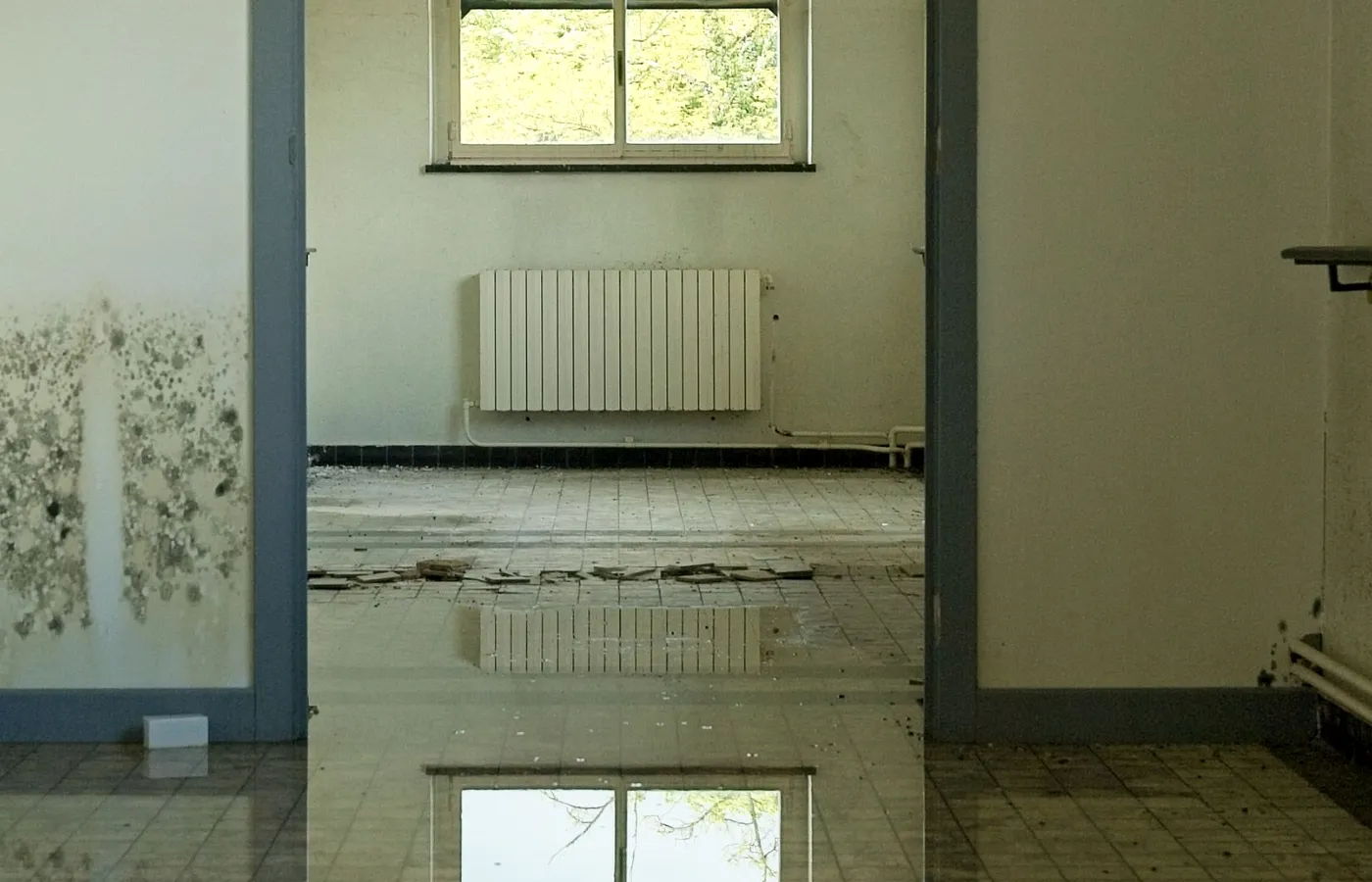
Do this first
- Don’t step into standing water if outlets, cords or the panel are below the water line. Shut off power at the main if you can reach it dry.
- If the water is from a burst pipe, shut off the main supply.
- Photograph the water level and the room before anything moves.
- Call us. Keep the door closed and the HVAC off until we arrive.
Where basement water comes from in Spartanburg
Finished and walk-out basements are common on the sloped lots around Boiling Springs, the east side and the lake neighborhoods. The soil here is Cecil clay: it drains slowly, swells when wet and pushes water toward the lowest point, which is your basement wall.
Heavy rain and runoff
Summer storms and tropical remnants dump inches in hours. Clogged gutters, short downspouts and grading that slopes toward the house send it against the foundation and through cracks or the cove joint.
Sump pump failure
A stuck float, a dead pump or a power outage in the middle of the storm. The pit fills and spills within minutes.
Plumbing inside the basement
Water heater tanks, washing machine hoses and supply lines fail where the water has nowhere to go but the floor.
Sewer or drain backup
A floor drain or lower-level toilet backing up is contaminated water and is handled as a sewage cleanup, with disinfection and disposal of porous material.
Hydrostatic pressure
Saturated clay pressing against block or poured walls forces water through hairline cracks, tie holes and the wall-floor joint even when it isn’t raining anymore.
Window wells and doors
Walk-out doors and window wells without drains fill up and pour in under the threshold.
How basement flood cleanup works
- Make it safe. Power confirmed off to the flooded area, water type identified (clean, grey or sewage), and the source stopped if it is still running.
- Pump and extract. Submersible pumps for inches of standing water, then truck-mounted extraction to pull what’s left out of carpet and off the slab.
- Move and sort contents. Furniture, boxes and stored items go to a dry area. We log what is salvageable and photograph what isn’t for the claim.
- Remove what won’t dry. Carpet pad, soaked drywall cut to above the water line, wet insulation, swollen baseboards and laminate flooring.
- Dry and monitor. Air movers and low-grain dehumidifiers sized for a below-grade room. We check moisture readings daily and pull equipment only when the slab, framing and remaining drywall read dry.
- Stop it recurring. We tell you what let the water in and what fixes it, from a downspout extension to a new sump pump with a battery backup.
What can be saved and what can’t
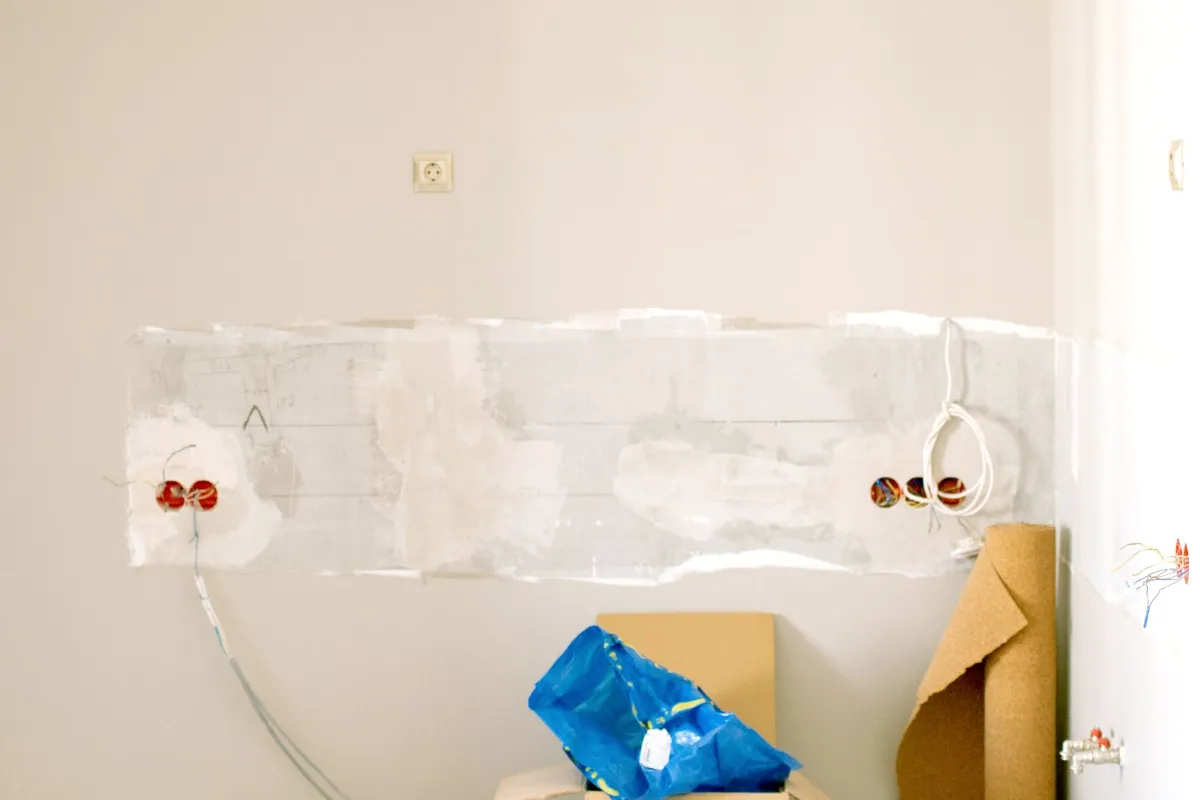
Usually saved
- Concrete slab and block or poured walls, once dried
- Framing and subfloor dried within a few days
- Hard furniture, tools, plastic bins and their contents
- Appliances that didn’t run while wet, after inspection
Usually removed
- Carpet pad; carpet itself if the water was contaminated or sat more than a day
- Drywall and insulation below the water line
- Laminate and engineered flooring that swelled
- Cardboard, particleboard furniture, mattresses and upholstered items in sewage or grey water
What decides the size of the job
| Factor | Smaller job | Bigger job |
|---|---|---|
| Water depth | Damp carpet or a puddle in one corner | Inches of standing water across the room |
| Finish level | Unfinished: bare slab and block | Finished: drywall, carpet, built-ins, a bedroom or bath |
| Water type | Clean supply water, caught quickly | Groundwater or sewage, which means disposal and disinfection |
| Time wet | Found within hours | Found after a weekend away, with mold starting |
| Contents | Mostly on shelves | Boxes and furniture on the floor |
Basement flooding and insurance
How the water got in decides the claim. A burst pipe or failed water heater is usually covered. Groundwater seepage and surface flooding are usually not covered by a standard homeowners policy and need separate flood insurance. Sump pump failure and sewer backup are often covered only if you added that endorsement. We document the source carefully because it determines which policy, if any, pays, and we give you the moisture logs and photos the adjuster will ask for.
Flooded basement questions we hear most
Within hours, not days. Drywall wicks water upward at roughly an inch an hour, and mold can begin within 24 to 48 hours in a damp, dark basement. The sooner extraction starts, the less has to be torn out.
For a small clean-water puddle on bare concrete, yes. For carpet, finished walls or more than a thin layer of water, a shop vac leaves most of the water in the pad and slab. Household fans don't remove humidity. The room feels dry while the walls and framing stay wet.
We find and explain the cause on every job and handle the related repairs: drywall, flooring, trim. Foundation waterproofing, French drains and sump installation are separate trades, and we'll tell you what to ask for.
Treat it as contaminated. Groundwater and surface runoff carry soil bacteria, fertilizer and whatever was in the yard. Avoid skin contact, don't let children or pets in, and don't run the HVAC until the area is cleaned.
Water in your basement right now?
Call and we'll get pumps and drying equipment on the way.