Crawl Space Water Damage Repair in Spartanburg, SC
Most houses in Spartanburg County sit on a vented crawl space over clay that holds water. When it floods, or just stays damp all summer, crawl space water damage spreads to the joists, insulation and ductwork above it. We pump it out, dry it, remove what is ruined, and set it up to stay dry.
Call about your crawl space (864) 326-0217- Standing water pumped and extracted from the crawl space floor
- Wet, sagging insulation and fallen vapor barrier removed
- Joists, girders and subfloor dried and treated for mold
- New vapor barrier, with drainage and dehumidifier options explained
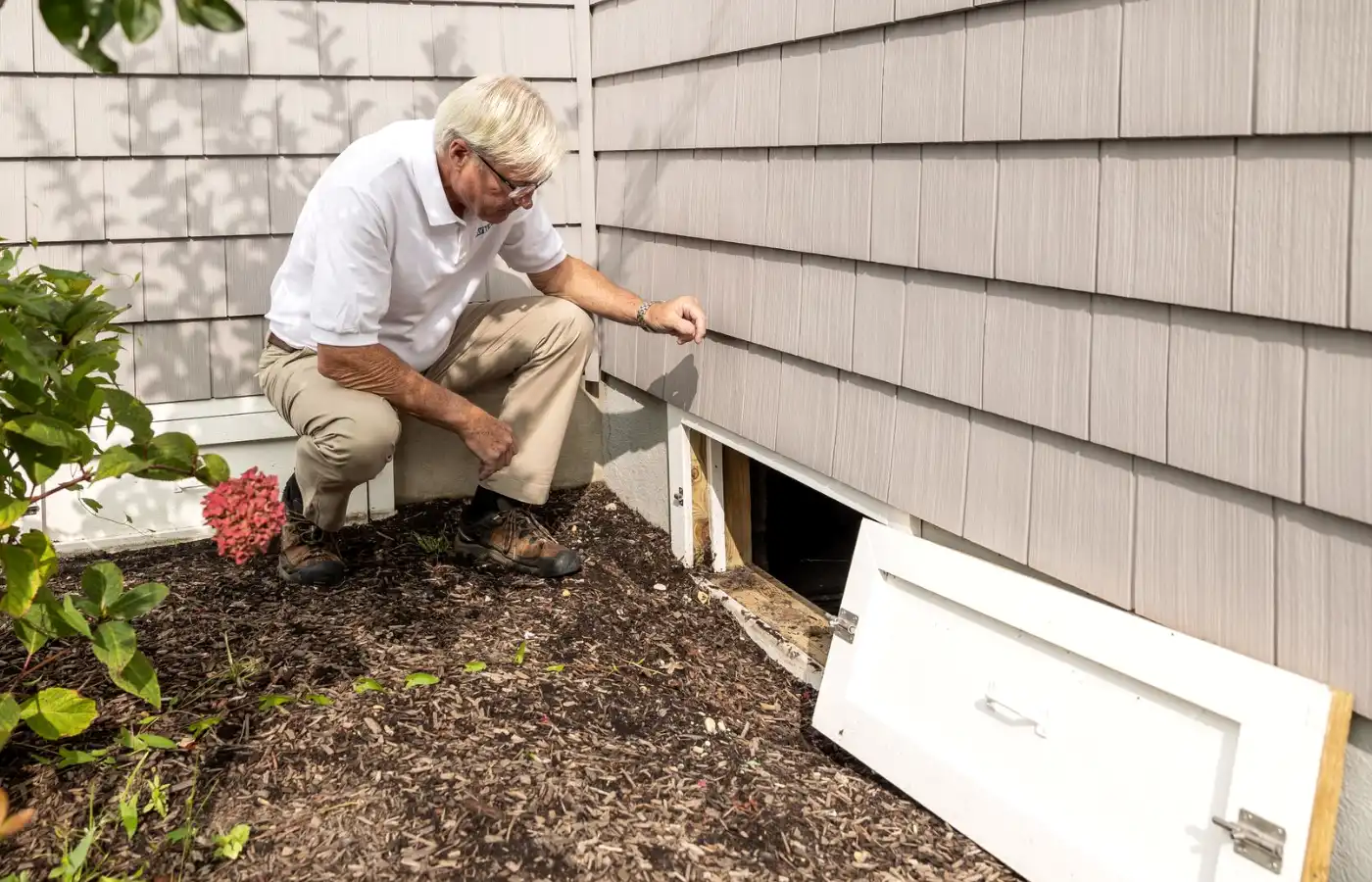
Signs your crawl space is wet
- Musty smell in the house, strongest in summer or when the HVAC runs
- Floors that feel soft, cup, or squeak where they didn’t before
- Sweating ducts, rusty strapping, or insulation hanging down
- Standing water or mud after rain. Call us; don’t crawl into standing water near wiring.
Why Spartanburg crawl spaces get wet
The Piedmont red clay under Spartanburg drains slowly, so rain pools at the foundation and seeps through block walls and under footings. Vented crawl spaces then pull humid summer air in through the vents, which condenses on cool ducts and joists. The result is a space that is damp most of the year and flooded after the big storms.
Surface water
Downspouts that dump at the foundation, grading that slopes inward, and clogged foundation drains send storm water straight under the house.
Plumbing leaks
Supply lines, drain lines and water heaters in the crawl space leak unseen for weeks. A high water bill or a warm spot on the floor is often the first clue.
Humidity and condensation
Open vents in July bring in air at 90 percent humidity that condenses on anything cooler than the dew point, especially AC ducts.
How crawl space water damage repair works
- Inspect and find the source. Where the water is coming from, how long it has been wet, and whether the joists, girders or subfloor have started to rot or grow mold.
- Pump and extract. Submersible pumps for standing water, then extraction of the saturated soil surface and any pooled areas.
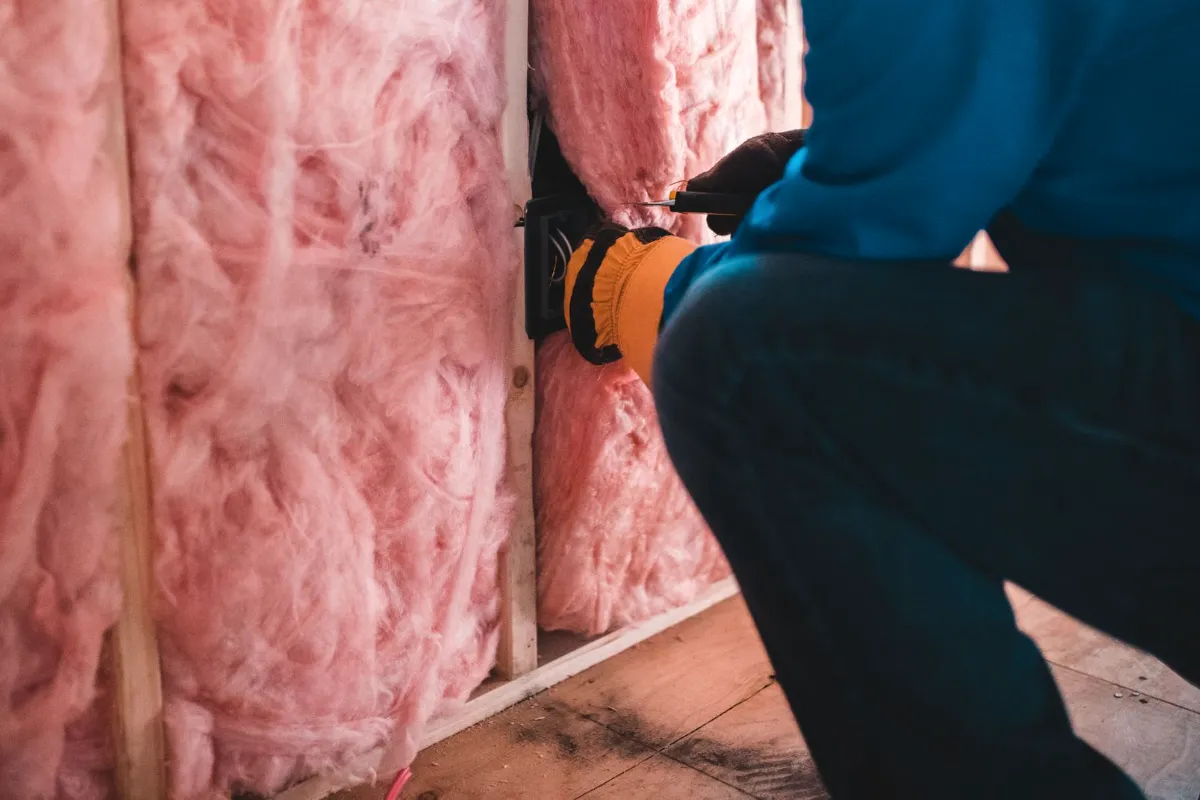
- Remove ruined material. Wet fiberglass insulation, moldy or torn vapor barrier, debris and any rotted wood that has to be replaced.
- Dry the structure. Commercial dehumidifiers and air movers run in the crawl space until the joists and subfloor read dry on a moisture meter, usually three to seven days.
- Treat and protect. Antimicrobial treatment of framing, new 6-mil or heavier vapor barrier over the soil, and repair of any damaged subfloor or joists.
- Keep it dry. We explain what will stop it recurring: downspout extensions, a perimeter drain and sump, sealed vents with a dehumidifier, or full encapsulation.
Drying vs. encapsulation
Water damage repair
This is the emergency work: remove the water, dry the framing, replace what is ruined, install a vapor barrier. It fixes the damage and stops mold from taking hold. It is what insurance covers after a sudden leak or flood.
Encapsulation
Sealing the vents, lining the walls and floor with a heavy liner, and running a dedicated dehumidifier turns the crawl space into a dry, conditioned area. It stops the yearly humidity cycle for good. It is a separate project from the repair, and we’ll tell you honestly whether your house needs it or whether drainage and a barrier will do.
What decides the size of the job
| Factor | Smaller job | Bigger job |
|---|---|---|
| Water | Damp soil and sweating ducts | Inches of standing water across the footprint |
| Insulation | Dry and in place | Wet, sagging or fallen; full removal and replacement |
| Framing | Surface mold on joists, sound wood | Rot in joists, girders or subfloor needing sistering or replacement |
| Access | Clear, 24 inches or more of height | Tight, obstructed by ducts and plumbing, or a dirt floor far below grade |
| Cause | A single leak, now fixed | Groundwater or grading needing drainage work |
Is crawl space water damage covered?
A burst or leaking pipe under the house is usually covered, including the drying and the replacement of damaged insulation and subfloor. Groundwater seepage, humidity damage and long-term neglect usually are not. We identify and document the source on the first visit so you know where you stand before the work begins.
Crawl space questions we hear most
Common, yes; normal, no. Water under the house after every storm means the grading, gutters or drainage are sending it there, and the framing above is being kept damp for days at a time. That is how joist rot and mold start.
In Spartanburg's summer, opening vents adds moisture rather than removing it, because the outdoor air is more humid than the crawl space. Drying needs a dehumidifier, and keeping it dry needs the water source handled.
Yes. Fiberglass that has been soaked holds water against the subfloor, sags away from the joists so it insulates nothing, and grows mold. It is removed and replaced after the framing is dry.
Three to seven days with commercial equipment, depending on how wet the soil and framing are and how much air can move through the space. We check readings daily and don't close it up until the wood is dry.
Wet crawl space in Spartanburg?
Call and we'll inspect it, dry it, and tell you how to keep it dry.