Where We Work: Spartanburg County, SC
We cover the city of Spartanburg and the whole county, from Landrum at the North Carolina line down to Woodruff and Enoree. East to west, that runs from the Greenville County line to Cowpens and Pacolet. If you’re in the county, call; if you’re just outside it, call anyway and we’ll tell you.
Call now, anywhere in the county (864) 326-0217City of Spartanburg
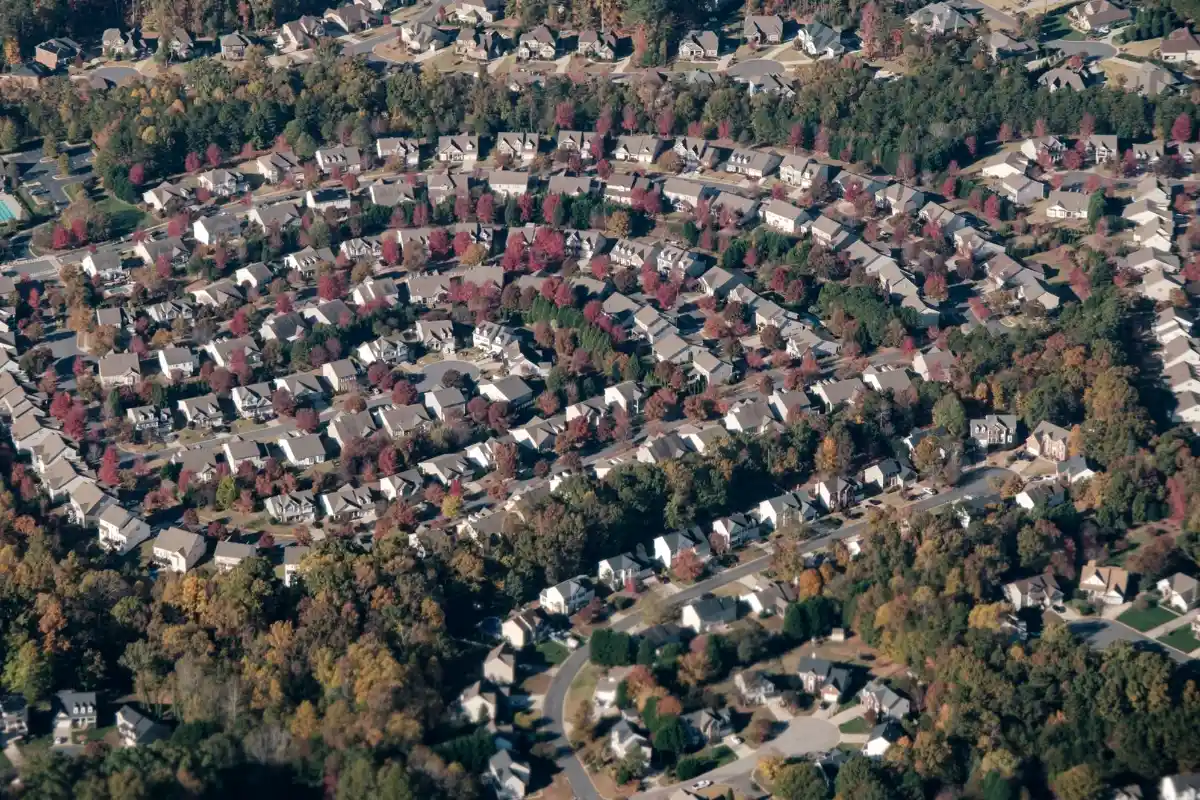
Downtown and the historic districts around Converse Heights, Hampton Heights and Duncan Park have the oldest housing in the county. Expect plaster walls, original hardwood, cast-iron drains and galvanized supply lines. Water damage here means careful drying to save floors and plaster, and sewer backups from root-bound laterals are common. The mill villages on the east and south sides, built fast on low crawl spaces, see chronic crawl space moisture and winter pipe freezes. Newer subdivisions toward Reidville Road and Boiling Springs Road have finished basements and slab foundations. Their weak points are sump pumps, water heaters in garages and ice-maker lines.
Towns we serve
North and west
Boiling Springs has grown fast since the 1990s along Highway 9, with large subdivisions on sloped lots and finished basements that flood from runoff and failed pumps. Inman, Campobello and Landrum sit higher toward the mountains and get the worst of the ice storms, which means burst pipes. Lyman, Duncan and Wellford along the I-85 corridor mix mill-village houses with new construction near the industrial parks. Startex and Fairforest sit along Fairforest Creek, which floods in heavy rain.
South and east
Roebuck, Moore and Reidville are mostly newer homes on clay lots where crawl space moisture is the recurring complaint. Woodruff, Enoree and Pauline are more rural, with septic systems and wells, so sewage backups and water-heater failures are the typical calls. Cowpens, Chesnee and Pacolet have older homes along the Pacolet River and its creeks, where storm flooding reaches houses that have never flooded before. Glendale, Clifton and Converse along Lawson’s Fork Creek have the same exposure.
What’s different about restoration in the Upstate
Red clay
Cecil clay drains slowly, pushes water toward foundations and keeps crawl spaces damp. Most mold jobs in the county start under the house.
Summer storms and tropical remnants
Afternoon thunderstorms drop inches in an hour, and remnants of Gulf and Atlantic storms stall over the Piedmont. Creeks rise fast and drainage fails.
Freeze-thaw winters
Mild winters with sudden cold snaps catch uninsulated crawl space plumbing and exterior-wall lines. Burst pipes spike every January.
Vented crawl spaces
The standard foundation here. Open vents pull humid air in all summer, and the ductwork under the floor sweats onto the insulation.
Tall pines
Older neighborhoods have mature pines and oaks over the roofline. Wind and ice bring them down onto houses.
Aging plumbing
Galvanized, polybutylene and cast-iron lines in homes from the 1940s through the 1980s fail without warning.
Response across the county
Most of Spartanburg County is within 30 minutes of the city. Active water and open-to-weather storm damage go to the front of the line; mold inspections and non-urgent crawl space work are scheduled. If you’re calling from Landrum, Enoree or the far side of Pacolet, tell us; travel time is part of the plan we give you on the phone.
In Spartanburg County and need help?
Call now and we'll tell you what to do first.