Mold Inspection and Testing in Spartanburg, SC
A musty smell with nothing to see. Allergies that clear up on vacation. A house you are about to buy. Each of these calls for a mold inspection in your Spartanburg home, not remediation. We find where the moisture is, sample where it makes sense, and tell you plainly whether you have a problem.
Call to schedule an inspection (864) 326-0217- Visual inspection of living space, attic, crawl space and HVAC
- Moisture meter and thermal imaging to find wet material behind finishes
- Air and surface sampling sent to an independent lab
- Written report with findings and a plan, with no obligation to use us for removal
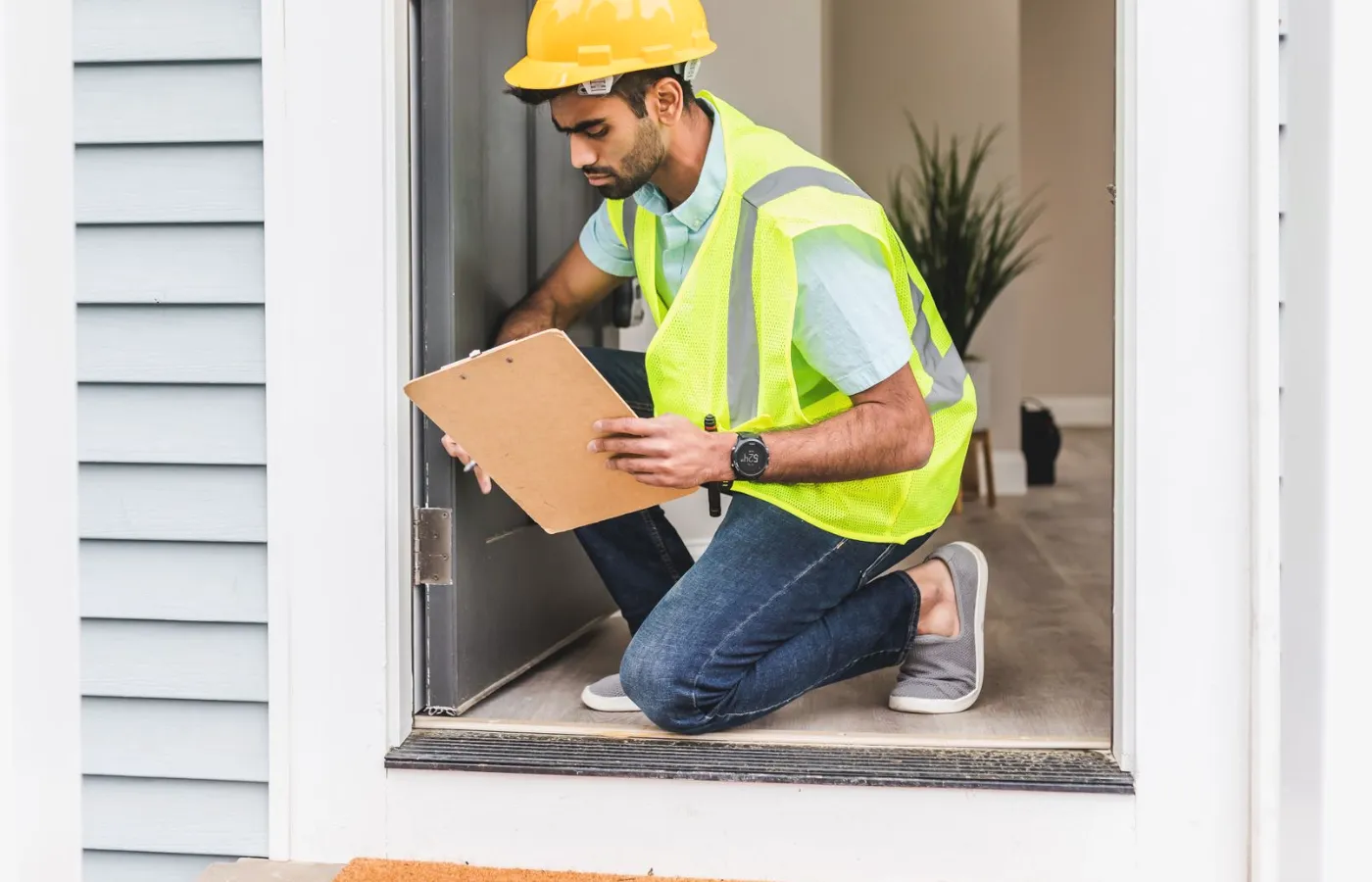
Before the inspection
- Keep windows closed for 12 to 24 hours before air sampling so readings reflect normal conditions.
- Note where and when the smell is strongest, and any past leaks or floods.
- Make the attic hatch and crawl space door accessible.
- Call with your address and what you’ve noticed. Most inspections take one to two hours on site.
What a mold inspection includes
- Walk-through and history. Where the smell or symptoms are, past water events, how the house is heated and cooled, and whether the crawl space has ever been wet.
- Moisture and thermal scan. A pin and pinless moisture meter on walls, floors and trim, and a thermal camera to spot cool, damp areas behind drywall and under flooring without opening anything.
- Crawl space, attic and HVAC. Joists, insulation, vapor barrier, the air handler, drain pan and visible ductwork. This is where most Spartanburg mold starts.
- Sampling when it adds information. Indoor air samples compared to an outdoor control, and tape or swab samples of suspect growth, analyzed by an accredited lab. We don’t sample when the answer is already obvious.
- Report. Photos, moisture readings, lab results, the likely moisture source and what to do next, in plain language you can hand to a buyer, seller, landlord or insurer.
When testing is worth it
Smell but no sight
Persistent mustiness in one room or the whole house with nothing visible usually means growth in a wall cavity, under flooring or in the crawl space.
Unexplained symptoms
Congestion, coughing, headaches or asthma flare-ups that ease when the person leaves home are a reason to measure indoor spore levels against outdoors.
Buying or selling
Home inspectors note moisture and suspected mold but don’t test. A mold inspection settles the question before closing, or documents a clean house for the buyer.
After remediation
Post-remediation verification confirms the work is done before walls are closed, especially if someone else did the removal.
After a leak or flood
If a water event was dried late or incompletely, testing tells you whether growth started inside the walls while they were wet.
HVAC concerns
Musty smell when the system starts, or visible growth at vents, points to the air handler or ducts and affects every room.
Air sampling vs. surface sampling
Air samples
A calibrated pump pulls a set volume of air through a cassette that traps spores. The lab counts and identifies them. Indoor counts well above the outdoor sample, or species that shouldn’t be indoors, point to active growth somewhere in the house even when you can’t see it.
Surface samples
Tape lifts or swabs of visible discoloration confirm whether it is mold and what kind, which matters when a stain could be soot, dirt or efflorescence. Surface samples also check whether a cleaned area is clear.
What the report tells you
| Finding | What it means | Next step |
|---|---|---|
| Dry readings, indoor spores at or below outdoor | No active growth found | Address odor sources, ventilation or humidity; no remediation needed |
| Elevated moisture, no visible growth | Conditions for mold exist | Fix the moisture source and dry the area before growth starts |
| Elevated indoor spores, hidden source | Active growth behind finishes | Targeted opening of the suspect area, then remediation |
| Visible growth confirmed by lab | Remediation needed | Contained removal; see our mold remediation page |
Mold inspection questions we hear most
Usually not. If you can see mold on a porous material, it needs to come out regardless of species, and a test won't change the work. Testing is for when growth is suspected but not visible, for clearance after remediation, or when a transaction or landlord needs documentation.
Petri-dish kits grow whatever lands on them, and mold spores are in every house and every yard, so they almost always "find mold". They don't tell you concentration, location or whether it is a problem. A pump air sample compared with an outdoor control does.
Lab results typically take two to four business days. We send the full report once results are in, and call you first if anything needs urgent attention.
We offer both, and we keep them separate on purpose: the report stands on its own and you can take it to any remediation contractor. We'll quote the removal if you ask.
Suspect mold but can't find it?
Call to schedule an inspection. We'll tell you what you have and what to do about it.