Flood and Storm Damage Cleanup in Spartanburg, SC
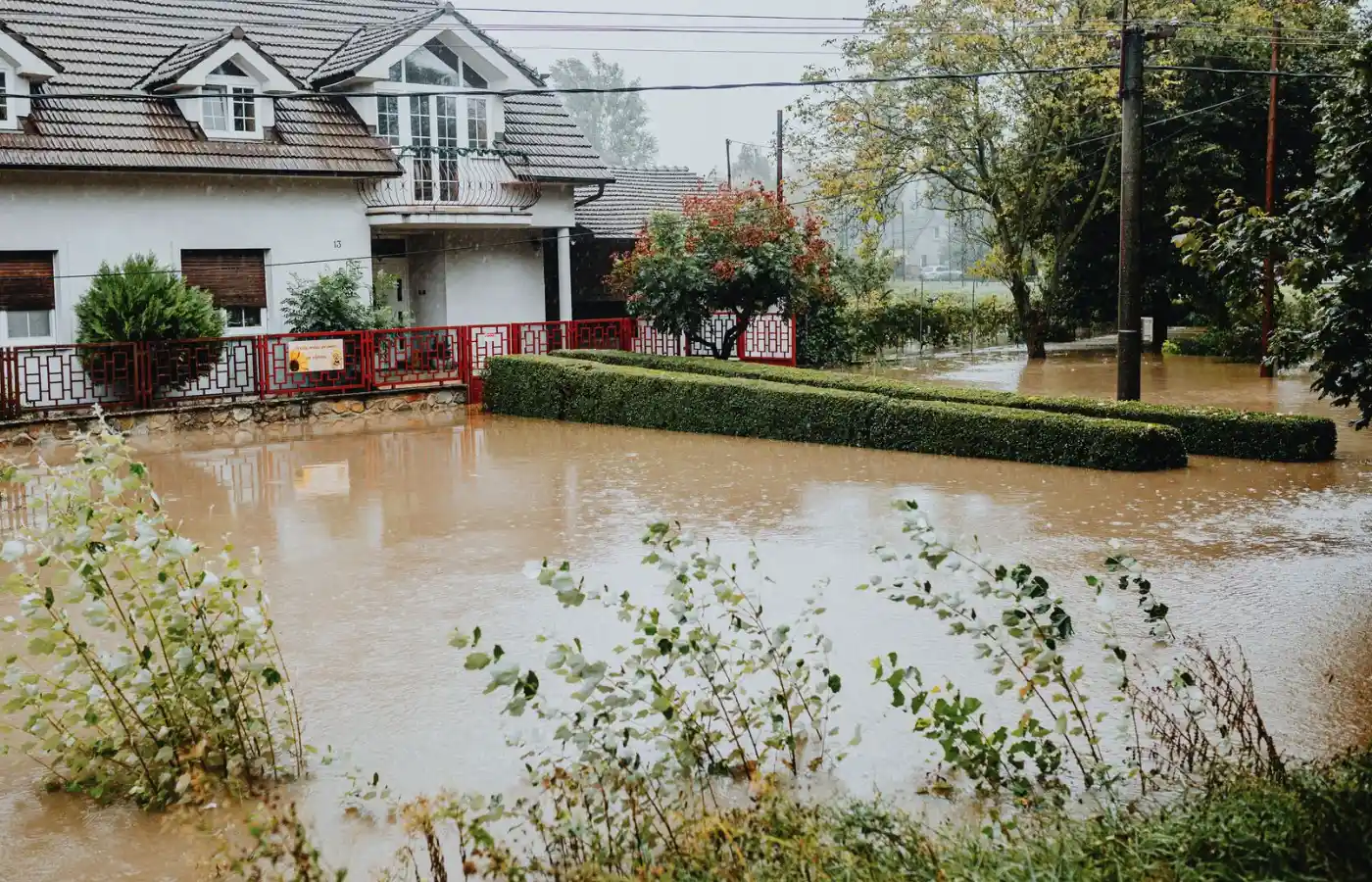
Flash floods along Lawson’s Fork and Fairforest Creek, stalled tropical storms and straight-line winds that drop trees onto roofs all end in the same call. Our flood and storm damage cleanup in Spartanburg starts once the storm passes: we tarp what’s open, remove the water, and dry and repair the damage.
Call now for storm damage (864) 326-0217- Flood water extraction and contaminated-water cleanup
- Emergency roof tarping and board-up
- Wet insulation, drywall and flooring removal and drying
- Debris removal and repair of storm-damaged rooms
Do this first after a storm
- Stay away from downed lines and don’t enter a house with standing water until power is confirmed off.
- Photograph roof, exterior and interior damage before anything is moved or tarped.
- Cover roof openings and broken windows if you can do it safely, or call us to do it.
- Call your insurer to open a claim, then call us.
Storm damage that hits Spartanburg homes
Flash flooding
Spartanburg’s creeks rise fast in a summer downpour. Homes near Lawson’s Fork, Fairforest Creek, Chinquapin Creek and the low areas along the Pacolet flood from the ground up, and the water is contaminated.
Wind and tree damage
Tall pines and oaks over older neighborhoods come down in thunderstorms and tropical remnants. A tree through a roof means rain in the attic and water down every wall below it.
Roof and siding leaks
Missing shingles, lifted flashing and wind-driven rain through soffits and windows soak attic insulation and ceilings, often found as a stain days later.
Basement and crawl space flooding
Saturated clay and overwhelmed drainage push water into below-grade spaces across the county.
Power outages
Sump pumps and ejector pumps stop during the outage, and the water comes in while the house is dark.
Ice storms
Upstate ice storms bring down limbs and lines, then burst pipes in houses left without heat.
How storm damage cleanup works
- Secure the house. Roof tarping with battens, board-up of broken windows and doors, and removal of tree limbs or debris blocking access. This stops the damage getting worse before anything else starts.
- Remove the water. Pumps and extraction for flood water, which we treat as contaminated. Wet insulation and debris removed from attics, walls and floors.
- Map the moisture. Storm water gets into places you can’t see: attic insulation, wall cavities, under flooring. We meter and thermal-scan everything before deciding what dries in place.
- Dry and disinfect. Drying equipment throughout the affected areas, antimicrobial treatment for anything flood water touched, and daily monitoring until the readings say dry.
- Repair. Insulation, drywall, ceilings, flooring, trim and paint. Roof replacement and structural framing after a tree strike are coordinated with the appropriate trades.
Flood water vs. rain water
Rain water through the roof
Clean water, but it soaks insulation, which holds it against the ceiling drywall for weeks. We remove wet insulation, dry the framing and ceiling, and replace it. Caught quickly, most ceilings and walls dry in place.
Flood water from outside
Creek and runoff water carries sewage, chemicals, fuel and soil bacteria. Everything porous it touched is removed, and hard surfaces are cleaned and disinfected before drying. It is cleaned the same way as a sewage backup.
What decides the size of the job
| Factor | Smaller job | Bigger job |
|---|---|---|
| Entry point | One leak around a vent or flashing | Tree through the roof or a section of shingles gone |
| Water type | Rain water | Rising flood water |
| Depth and spread | Wet ceiling in one room | Water on multiple floors or a flooded lower level |
| Time to response | Tarped and dried within a day | Open to weather for days during a regional event |
Storm damage and insurance
Wind, hail, falling trees and rain that enters through storm damage are covered by most homeowners policies. Rising flood water from creeks, rivers or surface runoff is not; it needs a separate flood policy through the National Flood Insurance Program or a private carrier. After a regional storm, adjusters are stretched thin, so documentation matters more than usual. We photograph everything before and during the work, log moisture readings, and write a room-by-room scope for the adjuster.
Storm damage questions we hear most
We prioritize homes that are open to the weather or have standing water. During a regional event, we tarp and extract first across all calls, then return for drying and repair. Call as soon as it is safe; the order of calls matters.
Only if you can do it safely from a ladder on dry ground with help, and the pitch is low. Wet shingles and loose debris are how people get hurt after storms. If in doubt, call and we'll handle it.
Yes. Treat it as sewage: avoid contact, keep children and pets out, don't run the HVAC, and don't try to salvage upholstered furniture, mattresses or carpet that it touched.
Blown and batt insulation that has been soaked compresses, loses its insulating value and holds water against the drywall below for weeks. It is removed and replaced. The framing and ceiling under it usually dry in place.
We remove limbs and debris needed to secure and access the house. Large tree removal from a structure is coordinated with a crane or tree service, and we handle everything from the roof deck inward.
Storm damage in Spartanburg?
Call now and we'll tarp, extract and start the drying.