Mold Remediation in Spartanburg, SC
Mold in a Spartanburg house is a moisture problem first and a cleaning problem second. Our mold remediation seals the area, removes what is contaminated under negative air pressure and scrubs the air. Then we fix the water source so you are not calling us again next summer.
Call about mold removal (864) 326-0217- Containment and negative air so spores don’t spread to clean rooms
- Removal of mold-damaged drywall, insulation, carpet and trim
- HEPA air scrubbing and surface treatment
- Moisture source repair and post-remediation verification
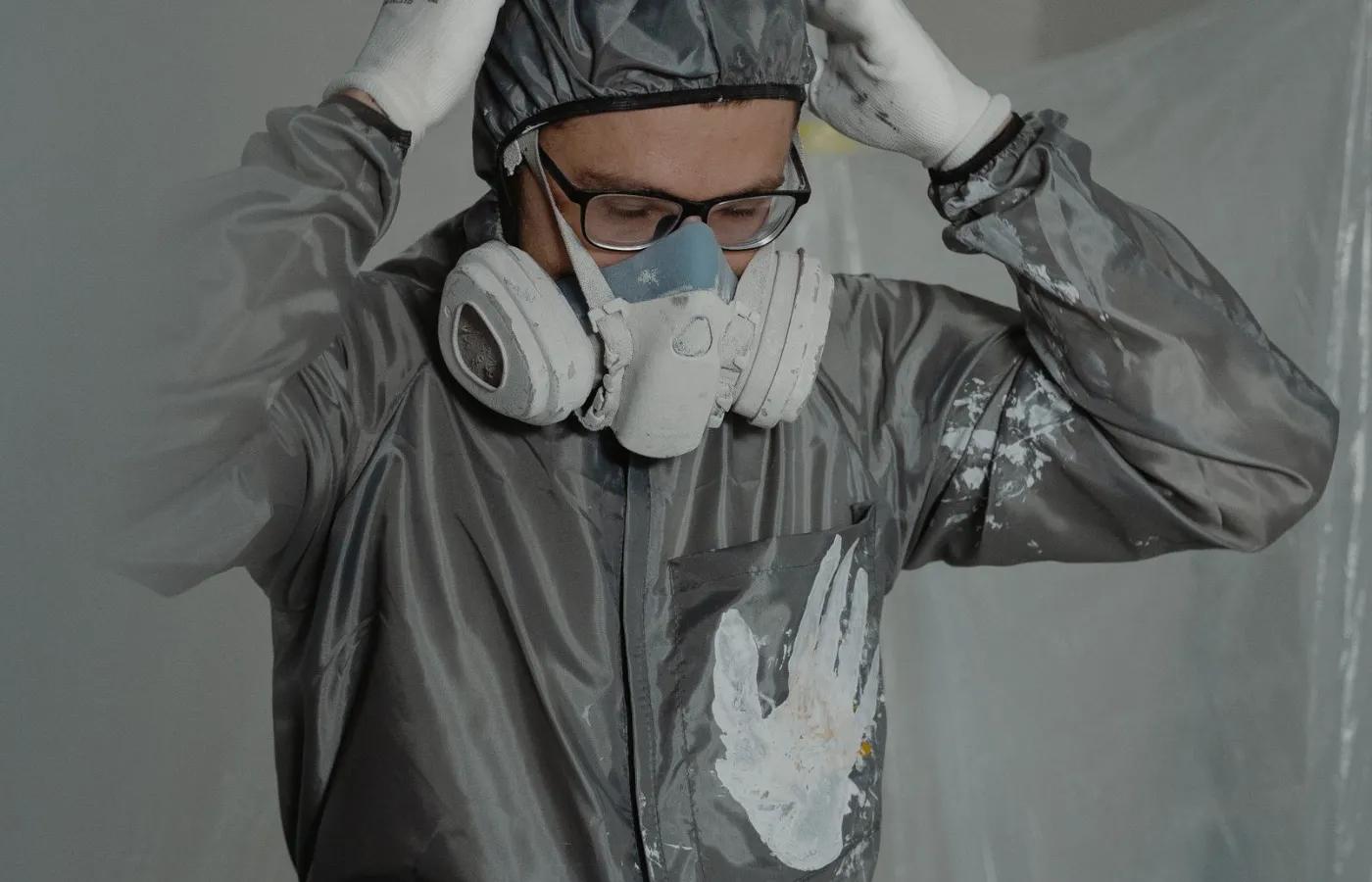
Do this first if you find mold
- Don’t scrub or bleach it. Disturbing a colony releases spores, and bleach doesn’t reach roots in porous material.
- Turn off the HVAC fan if the mold is near a return or supply vent.
- Photograph the area and look for the water source: a leak, condensation or a wet crawl space.
- Call us. We’ll tell you whether it needs testing, remediation or both.
Does it need professional remediation?
Call us if
- The visible patch is larger than about 10 square feet (a 3 ft by 3 ft area)
- It is on drywall, insulation, carpet, subfloor or framing
- It followed a leak, flood or sewage backup
- Someone in the house has allergy or asthma symptoms that ease when they leave
- You smell mustiness but can’t find the source
Usually a homeowner job
- Mildew on tile grout or a shower curtain
- A small spot on a hard, non-porous surface like a window sill, with the condensation fixed
- Surface mold on a bathroom ceiling with a working exhaust fan now installed
How we remove mold
- Find the moisture. Mold doesn’t grow without water. We moisture-map the area and trace it to a plumbing leak, roof or window leak, HVAC condensation, or ground moisture rising from a crawl space.
- Contain the work area. Plastic sheeting on doorways, sealed vents, and a negative air machine exhausting outside so disturbed spores go out, not into the rest of the house.
- Remove contaminated material. Porous material with mold growth is bagged and removed: drywall, insulation, carpet and pad, baseboards. Framing and subfloor are cleaned and treated, not replaced, unless they are structurally compromised.
- Clean the air and surfaces. HEPA vacuuming of all surfaces, antimicrobial treatment, and HEPA air scrubbers running throughout the job and after.
- Verify and rebuild. Moisture readings confirm the area is dry. If you want third-party clearance testing, we coordinate it before we close the walls back up.
Where mold hides in Spartanburg homes
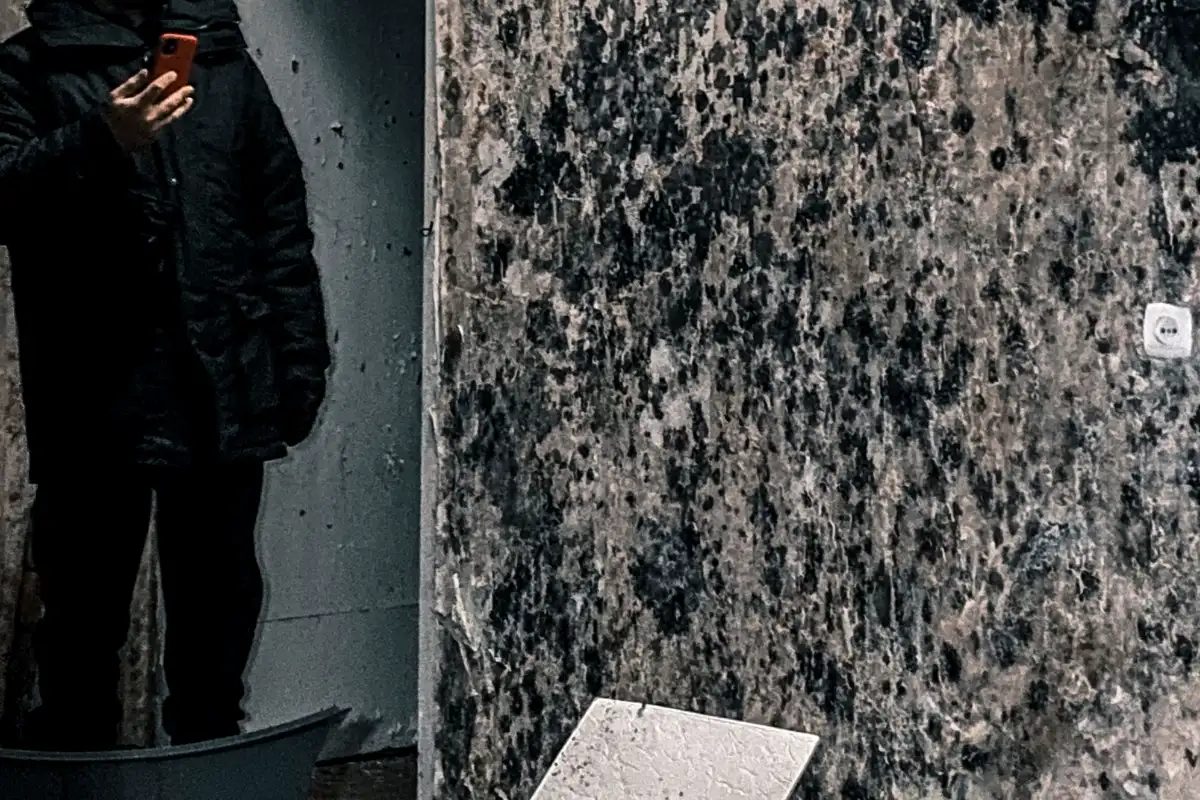
Crawl spaces
Most houses around Spartanburg sit on vented crawl spaces over red clay that holds water. Summer humidity condenses on cool joists and ductwork, and the musty smell rises into the living space through the floor.
HVAC and ducts
Condensation at the air handler, a clogged drain line or sweating ducts in an unconditioned attic grow mold that the system then distributes to every room.
Behind walls and under floors
A slow leak behind a shower, under a sink or at a window flashing can feed mold for months before a stain shows. Discoloration, soft drywall or buckled flooring are the late signs.
Mold removal vs. mold inspection
Remediation
You can see the mold, or a water event makes it certain. We remove it. Testing before remediation rarely changes the work, so we don’t sell it unless there is a reason.
Inspection and testing
You smell something, someone is sick, or you are buying or selling a house, but there is no visible growth. A mold inspection with air or surface sampling tells you whether there is a problem and where.
What decides the size of the job
| Factor | Smaller job | Bigger job |
|---|---|---|
| Area affected | One wall or cabinet base | Whole room, crawl space or multiple rooms |
| Material | Hard surfaces that clean in place | Drywall, insulation, carpet and subfloor that must come out |
| Moisture source | Simple fix: a supply line, a fan, a gutter | Crawl space moisture or roof and flashing repair |
| HVAC involvement | System not affected | Ducts and air handler need cleaning |
| Rebuild | Patch and paint | New drywall, insulation, flooring, trim |
Is mold covered by homeowners insurance?
Sometimes. Mold that results from a sudden, covered water event, like a burst pipe, is often covered under that claim, usually with a cap. Mold from long-term neglect, humidity or a known leak that was not fixed is usually excluded. We document the water source and the timeline so your adjuster has what they need, and we tell you up front if the cause looks like one that policies exclude.
Mold questions we hear most
Color doesn't tell you the species, and many dark molds are common and low-risk. Any mold growing indoors can irritate airways and worsen asthma or allergies. The answer is the same regardless of color: find the water, remove the growth, and don't disturb it without containment.
No. Paint traps moisture and the mold grows through it. Bleach kills surface growth on hard materials but does nothing to roots in drywall or wood, and the water it adds can make things worse. If the material is porous and moldy, it has to come out.
For most jobs, no. Containment and negative air keep the work area isolated from the rest of the house. If the affected area includes the HVAC system or most of the living space, we'll discuss it before we start.
A single contained area usually takes one to three days including drying. Crawl spaces and multi-room jobs take longer. Rebuild is scheduled after the area passes moisture checks.
Not if the moisture source is fixed. That is why we trace and repair the cause as part of the job rather than cleaning and leaving. If a crawl space is the source, we'll explain the drainage, vapor barrier or dehumidifier options that keep it dry.
Mold in your Spartanburg home?
Call us and we'll tell you whether it needs testing, remediation or both.